 See photos and updates from listings directly in your feed
 Share your favorite listings with friends and family
 Save your search and get new listings directly in your mailbox before everybody else
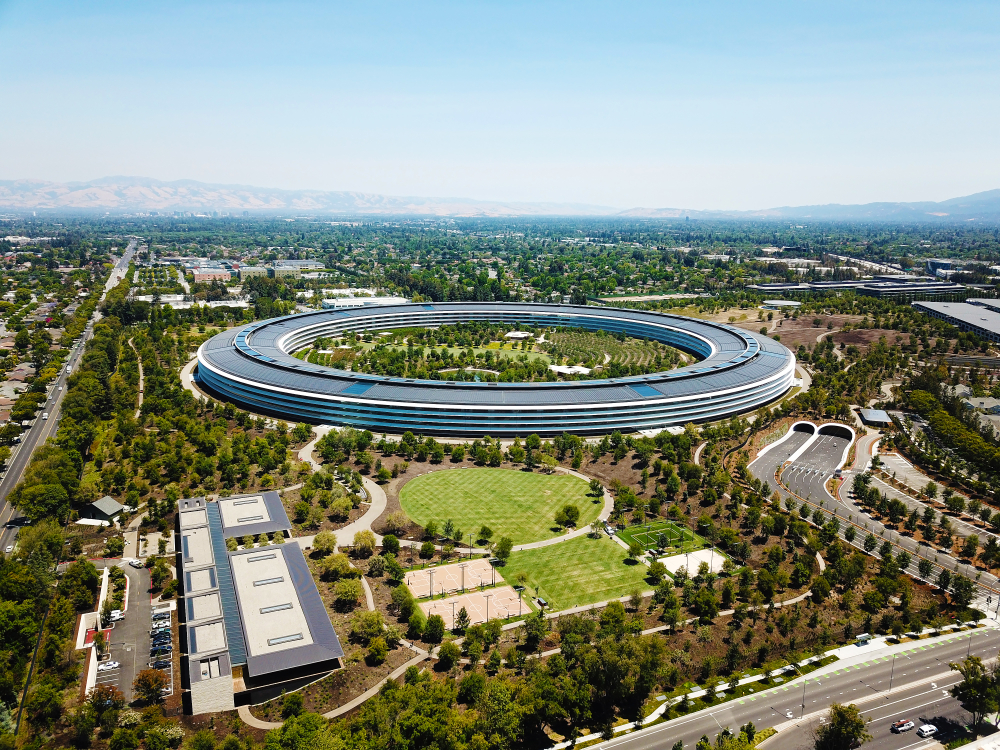
Could AI Layoffs Put Pressure on Real Estate Prices in Tech Cities?
For the past two decades, the housing markets in cities like Boston, Seattle, and Silicon Valley have been powered by one dominant force: high-income technology workers. Engineers, data scientists, and software developers earning six-figure salaries have driven demand for both luxury and entry-level homes.
But the rise of artificial intelligence introduces a new variable into this equation. If AI replaces certain categories of white-collar tech work by automating specific tasks, it could slow housing demand in markets that depend heavily on tech employment.
This is not a housing crash prediction. Instead, it’s a structural shift to monitor—especially where tech jobs and home prices align.
The AI Productivity Shock
AI is changing tech company operations. Tools that generate code, analyze data, write documentation, and automate development enable smaller teams to do work previously handled by larger staffs.
Some companies are already making changes.
- Fintech company Block recently announced layoffs affecting roughly 4,000 employees, with leadership citing productivity gains from AI tools.
- Economists estimate that AI contributed to 5,000–10,000 job losses per month in industries most exposed to automation.
- In 2025 alone, companies directly attributed about 55,000 job cuts to AI adoption, the majority in the tech sector.
Simultaneously, large technology companies continue to restructure their workforces while investing billions into AI infrastructure and data centers.
Even when layoffs are not solely caused by AI, executives frequently cite AI-driven efficiency as justification for running leaner organizations.
Why This Matters for Real Estate
Real estate markets in tech hubs have long depended on a simple economic formula:
High-tech salaries → strong housing demand → rising home prices
When highly paid workers cluster in one city, they create intense housing demand. That demand pushes prices higher not just for luxury homes, but across the entire market.
If AI requires fewer people to build and maintain software, the ripple effects may extend beyond the tech sector.
Fewer hiring or layoffs in tech hubs could lead to:
- Slower household formation
- Fewer relocations for high-paying jobs
- Reduced bidding wars in housing markets
Over time, this could slow home price growth in tech-dependent areas.
Boston: The MIT Pipeline
Boston is a perfect example of a tech-driven housing ecosystem.
Each year, MIT, Harvard, Northeastern, and other universities produce thousands of engineers and computer scientists who are recruited by companies like:
- Microsoft
- Amazon
- HubSpot
- Wayfair
Consequently, many of these graduates stay in the region because of the local innovation economy around Kendall Square and the Seaport District.
The result has been a powerful housing demand engine.
A newly hired engineer earning $150,000–$250,000 can easily afford:
- a $900,000 condo in Cambridge
- a $1.3M home in suburban towns like Lexington or Belmont
Now, imagine a future where companies hire smaller teams of engineers because AI can automatically write large portions of software.
The MIT graduate pipeline may remain strong, but available roles could shrink as AI automates tasks.
If fewer graduates stay in Boston for high-paying tech jobs, housing demand in the metro area could grow more slowly over time.
Seattle: The Amazon and Microsoft Effect
Seattle provides another example of how tech employment and real estate are tightly linked.
The city’s housing market surged over the past decade as companies like:
- Amazon
- Microsoft
- Meta
These companies expanded aggressively.
High-income tech workers helped push median home prices in nearby Bellevue to around $1.6 million, far above the national average.
Seattle has already seen tech layoffs.
Amazon alone has cut tens of thousands of corporate roles in recent restructuring efforts.
Layoffs in tech-centric cities affect housing demand, local businesses, and commercial real estate.
- local businesses
- commercial real estate
Seattle has already seen rising office vacancies as tech companies shrink their physical footprint.
If AI drives more workforce reductions, Seattle and similar cities could see slower price growth or temporary declines.
Atherton, California: The Extreme Example
If Boston and Seattle represent strong tech markets, Atherton, California, represents the extreme.
Atherton, located in Silicon Valley, is frequently ranked among the most expensive housing markets in the United States, with median home prices often exceeding $7–10 million.
Many residents are:
- venture capital partners
- startup founders
- senior engineers at companies like Google and Meta
These home prices are supported almost entirely by the wealth created in the tech industry.
If AI reduces high-paid engineering jobs, Silicon Valley’s luxury housing may feel the impact first.
In these markets, even a small reduction in buyer demand at the ultra-high-end can produce large swings in pricing because the buyer pool is relatively small.
A Slow Shift, Not an Overnight Collapse
Keep this trend in perspective.
The U.S. workforce includes over 160 million jobs, meaning even large tech layoffs represent a relatively small percentage of total employment.
On the other hand, AI will also create new industries and job categories, particularly in areas such as:
- AI infrastructure
- data centers
- robotics
- AI safety and governance
The question is not if AI will eliminate tech jobs.
The main question is whether AI will reduce the workforce needed to build, test, and maintain software and digital services, thereby lowering the number of high-salary employees in tech hubs.s.
If so, housing markets tied to tech may see less explosive growth than in the last decade.
The Key Lesson for Real Estate
For real estate professionals, the takeaway is simple:
Local economies drive housing demand.
This means that when one industry dominates a region’s job base, housing prices become closely tied to that industry’s fortunes.
Over the past decade, tech has been the primary driver of housing growth in cities like Boston, Seattle, and Silicon Valley.
Although artificial intelligence may not reverse that trend overnight, it could indeed change its trajectory over time.
If AI enables companies to produce more with fewer people, the long-term effect may be fewer high-salary tech workers competing for homes in America’s most expensive housing markets.
And when demand slows, even slightly, real estate markets will eventually adjust.